
好奇心,成為孩子的下一個作品。
引言
本校 STEAM 課程以跨學科融合、動手實作及自主探究為核心,讓學生從身邊的問題出發,在觀察、提問、設計、測試與分享的過程中,發展創造力、解難能力及持續探索的精神。
我們的 STEAM 教育理念
STEAM 教育不僅是學習不同知識領域,更是培養學生創造力、批判思維及持續探索精神的重要途徑。我們相信,當學生能夠連結學科知識、主動提出問題、與同伴協作並把想法實踐出來,便能逐步建立面向未來的重要能力。
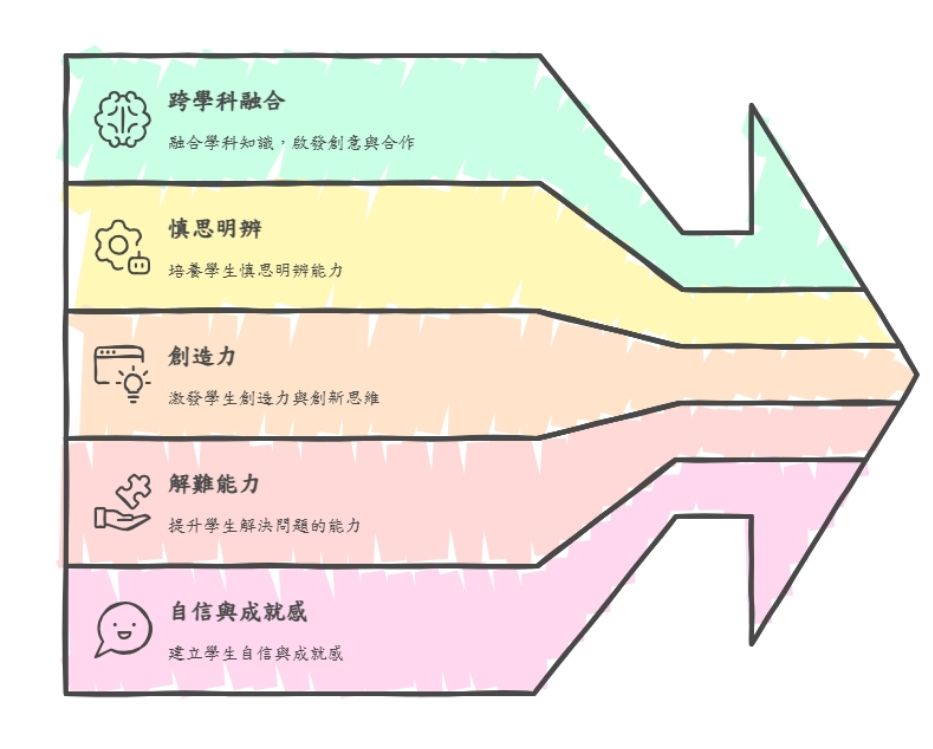 透過多元而具挑戰性的學習任務,我們期望學生能在跨學科融合中建立知識,在慎思明辨中作出判斷,在創作中發揮想像,在解難中累積自信,並在一次次協作與展示中獲得成就感。
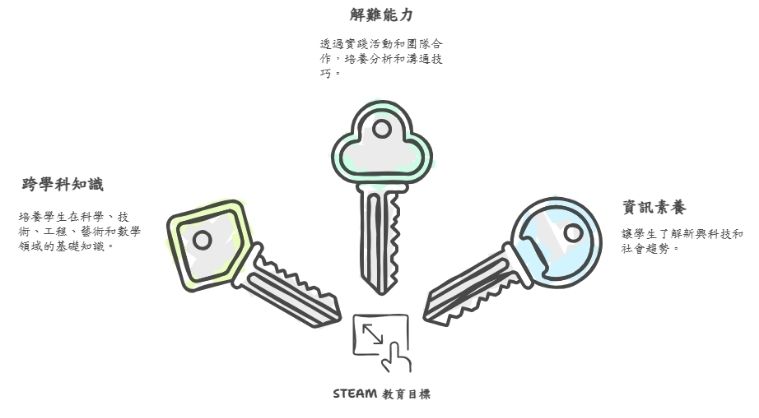
我們的 STEAM 教育目標
本校 STEAM 課程以學生的全面發展為目標,讓學習不只停留在知識層面,更能轉化為可應用於生活和未來的能力。
STEAM 課程內容
本校的 STEAM 課程由四個相互連結的學習範疇組成。學生可以在不同形式的課堂與活動中,逐步由觀察和提問走向設計、製作、反思及分享。
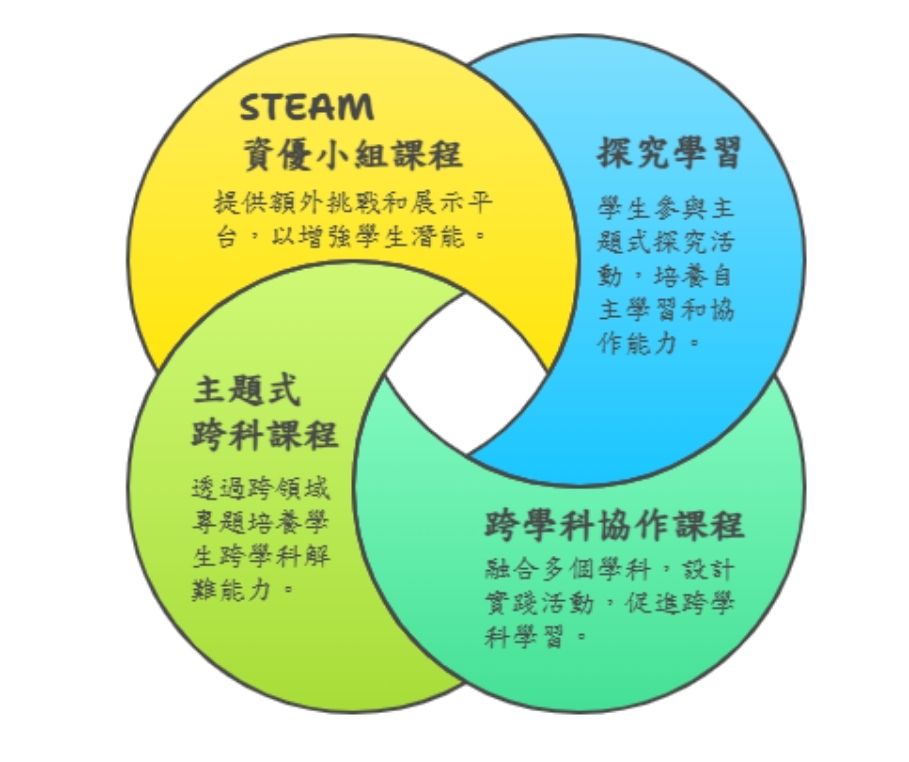
探究學習
從一個問題開始,走進跨領域的學習現場
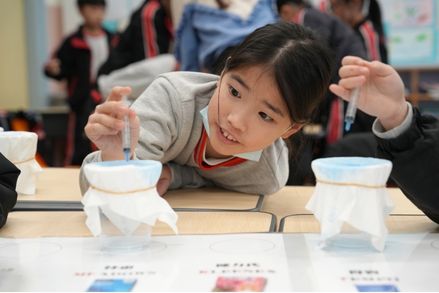
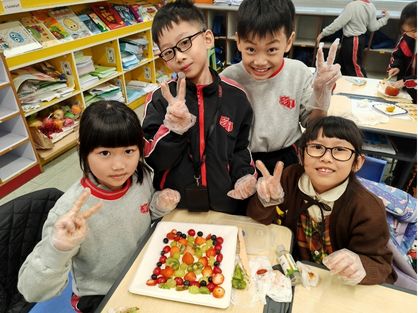
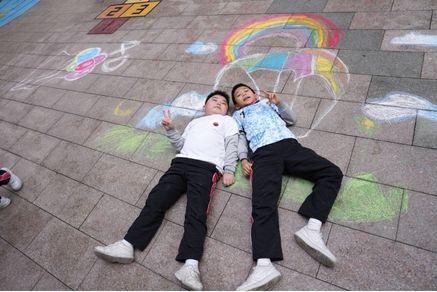
探究學習著重打破學科界限,整合不同學科知識,為學生提供跨領域的學習體驗。我們以富趣味性、並配合各級研習能力的校本主題,設計環環相扣的學習活動,讓學生在個人和小組任務中主動參與、互相協作及深入討論。
在探究過程中,學生會接觸不同學習領域的知識,並加入 STEAM 及價值觀教育元素。教師會引導學生搜集、分析及整理資料,從而建構更深層次的理解,同時培養知識、技能及正面的價值觀與態度。
 |
 |
 |
探究活動流程
創設情境,引導探究;由體驗走向創作,由資料走向理解。
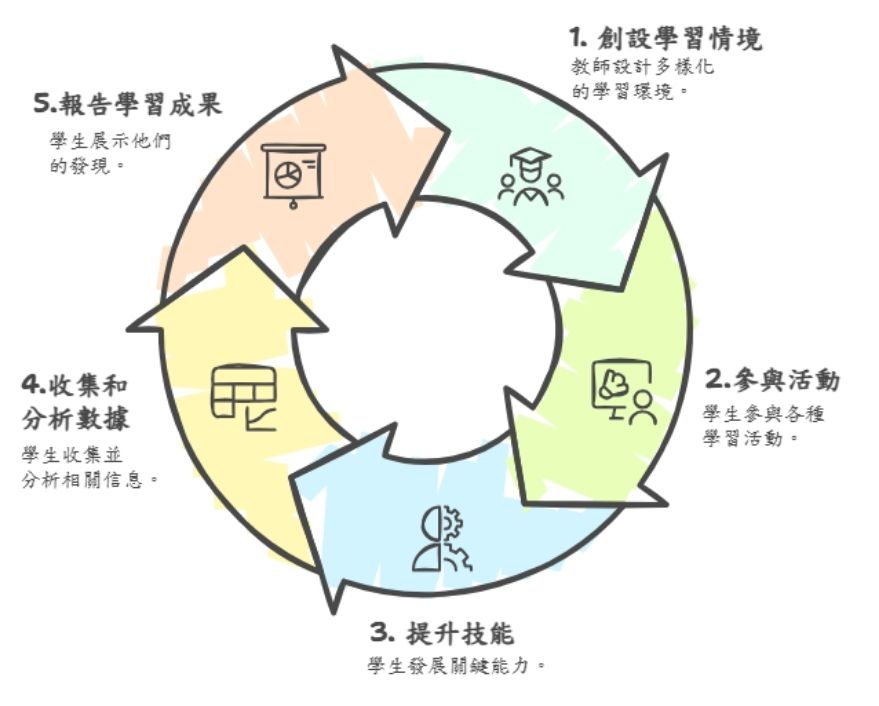 各年級探究學習之旅
| 探究主題 | 相簿 |
|
一年級 童玩大全 |
按此進入相簿 |
|
二年級 水果大發現 |
按此進入相簿 |
|
三年級 精明消費與科學探究之旅 |
按此進入相簿 |
|
四年級 健康生活 GET SET GO! |
按此進入相簿 |
|
五年級 粵劇傳承之旅 |
按此進入相簿 |
STEAM 跨學科協作計劃
把「運動與健康」做成可以測試的學習作品
本校 STEAM 跨學科協作計劃以「運動與健康」為主題,緊貼學生的生活經驗,提升他們參與學習的動機。課程強調跨領域整合和動手實踐,讓學生把不同學科所學應用於具體而有意義的任務中。
課程採用縱向連貫的規劃,讓學生在不同年級逐步累積知識、技能和實作經驗;同時透過橫向跨學科合作及協同教學設計,幫助學生從多角度理解問題、設計方案及驗證成果。
| 年級 | 專題項目 | 學習重點 | 佳作 |
| 四年級 | 運動遊戲設計 | 從遊戲規則、動作和材料出發,設計可供測試和改良的運動遊戲。 | 按此觀看 |
| 五年級 | 我的運動智能手冊 | 以運動為主題進行探究,整理資料並建立健康生活的記錄與分享。 | 按此觀看 |
| 六年級 | 健康方程式 | 綜合知識與實作經驗,設計回應健康議題的專題方案。 | 按此觀看 |
工程設計步驟
學生會按工程設計流程逐步發展作品。這個過程讓他們不只學會知識和技能,也能在反覆嘗試中建立解難的自信和堅毅精神。
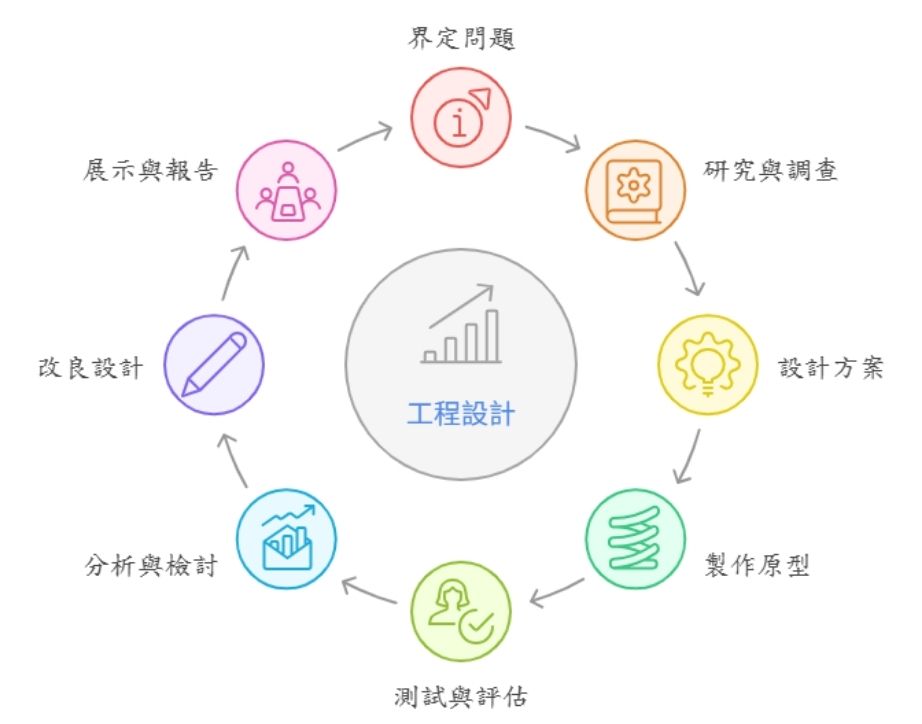
主題式跨科課程(2025–2026)
主題式跨科課程讓學生在不同學習領域之間建立連結,並以創作、設計、媒體製作及專題研習等形式展現所學。以下為本學年已規劃的部分學習活動。
| 時段 | 年級/課程 | 活動內容 |
| 7–9 月 | STEM 獎勵計劃 | 透過多元活動提升學生對科學、科技及創作的興趣 |
| 10–11 月 | 五年級常識、電腦協作 | 中國地理及歷史問答比賽海報設計 |
| 10–11 月 | 六年級音樂、電腦跨科 | 25 周年校慶主題曲 |
| 11–12 月 | 四年級 STEAM 協作計劃 | 運動遊戲設計 |
| 11–12 月 | 五年級中文、電腦、視藝跨科 | 四字成語繪本製作 |
| 11–12 月 | 六年級中文、電腦跨科 | AI《射雕英雄傳》改編影片 |
| 12 月 | 四年級數學、電腦跨科 |
專題研習:四邊形機械人 |
| 12 月 | 五年級數學、電腦跨科 |
專題研習:多邊形杯墊 |
| 1 月 | 四年級數學、電腦跨科 |
DELIGHTEX 虛擬動物園創作 |
| 1–2 月 | 五年級中文、電腦跨科 |
AI 詩詞影片 |
| 1–2 月 | 六年級 STEAM 協作計劃 |
健康方程式 |
| 2 月 | 一至五年級 |
探究學習 |
| 3–4 月 | 五年級 STEAM 協作計劃 |
延伸 STEAM 協作學習 |
| 4 月 | 六年級數學、電腦跨科 |
專題研習:旋轉對稱圖形 |
STEAM 資優小組課程
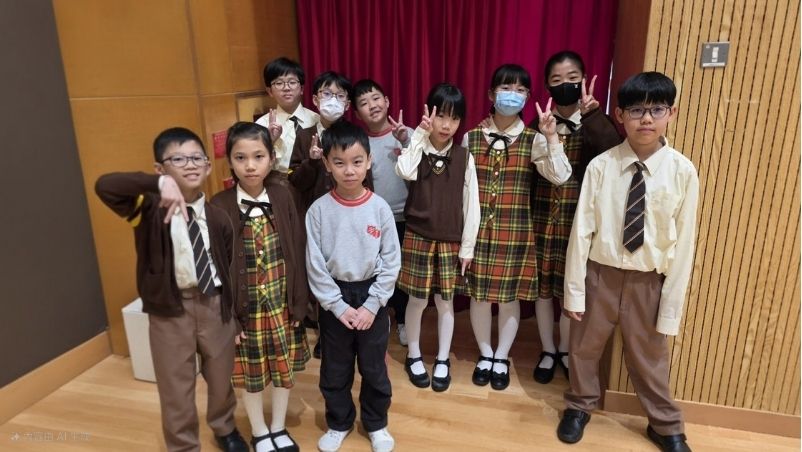
在動手實作中,培養創新思維與團隊精神
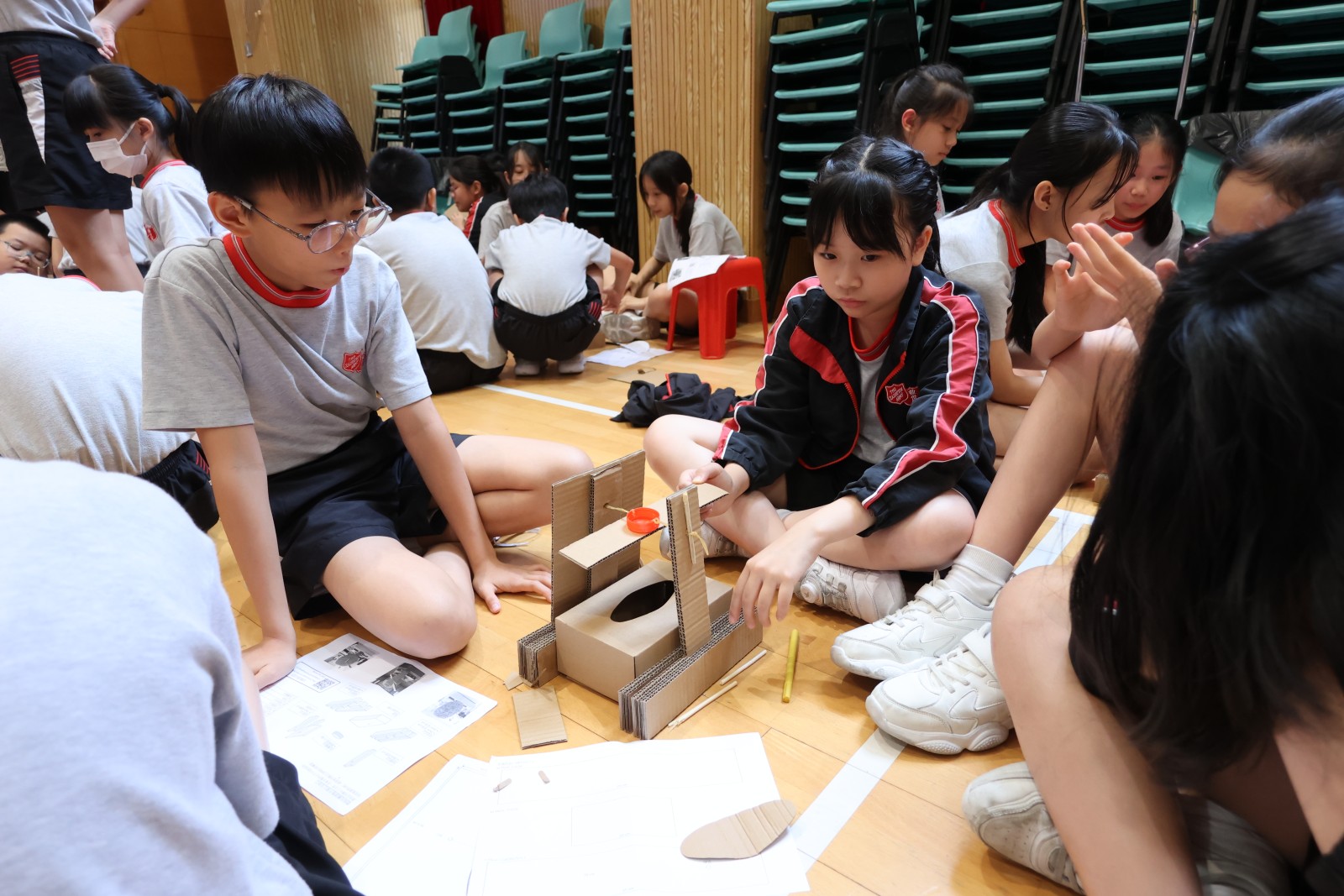
STEAM 資優小組為本校校隊性質的學習團隊,設有每週定期訓練。學生將學習編寫程式、製作模型及探索不同科學原理,並在持續的實作、測試和改良中,學習以創新方法解決問題。
課程重視學生之間的協作與交流,讓他們在共同完成任務的過程中,建立責任感、團隊精神和對學習的投入感。
歷年活動參考
| 活動 | |
| NOW TV STEM 獎勵計劃 | 「創科之旅 網安無慮」人工智能生成四格漫畫比賽 |
|
中大賽馬會「智」為未來計劃「人工智能生成馬年新年賀卡比賽」 |
Lego SPIKE 解難活動 |
|
香港教育城「國民身份認同應用程式設計比賽2025/26」 |
Minecraft Education「Discoverse」 |
| Minecraft Education「虛擬美荷樓」 | 四驅車組裝 |
下一個問題,等待下一次探索。
我們相信,STEAM 的價值不只在完成一件作品,而在於學生願意繼續觀察、提問、合作,並相信自己可以找到下一步。讓每一個孩子都能在嘗試中找到自己的方法,在創作中看見更大的世界。